 Dan Knight
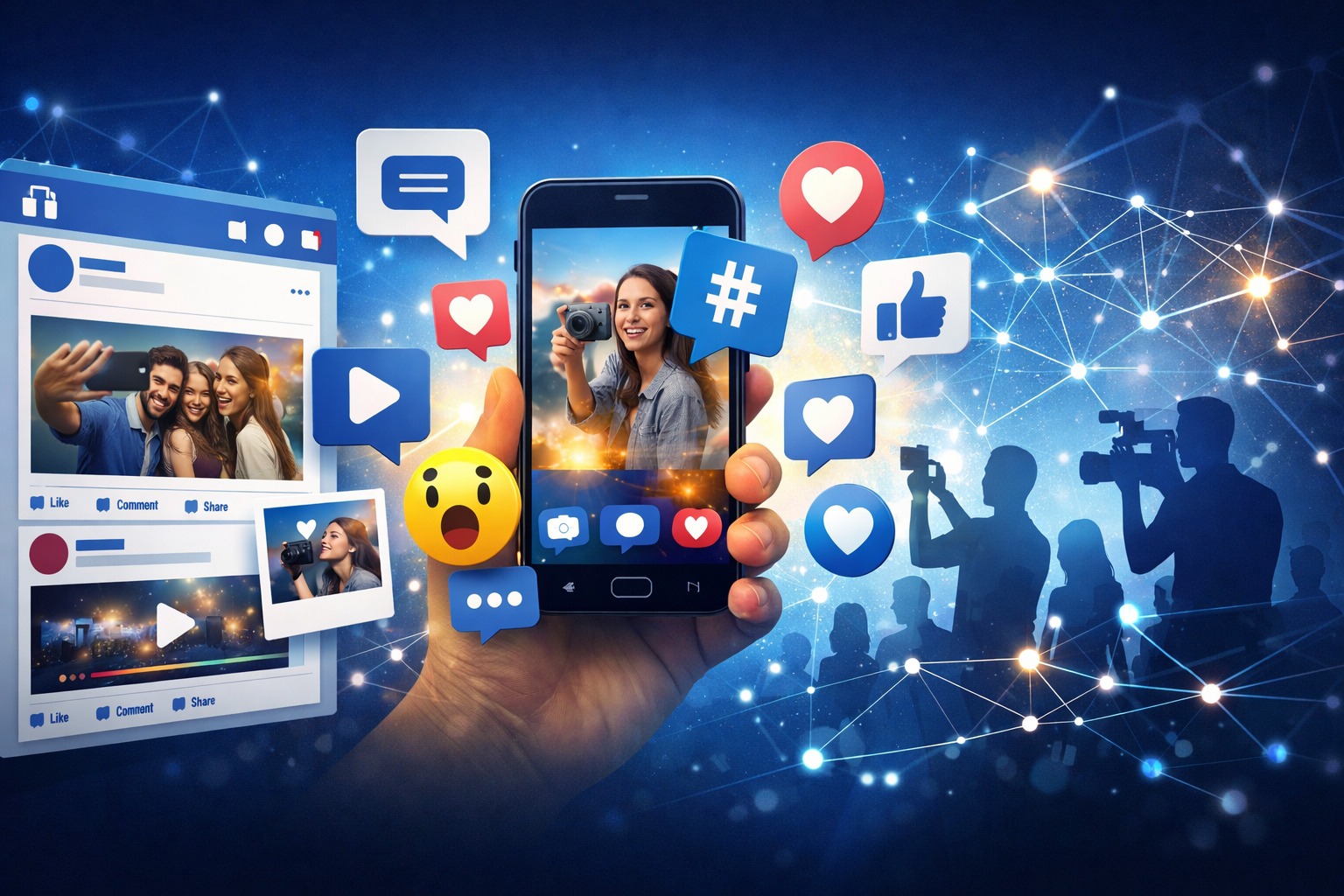
You know what’s funny about Facebook these days? The company barely creates anything you actually see on there. When you scroll through your feed, you’re not reading Facebook’s content.
You’re reading your aunt’s vacation updates, your friend’s baby photos, that random person’s hot take about the latest news. Everything that makes Facebook… well, Facebook, comes from us. From regular people typing, posting, sharing. That’s user-generated content doing its thing, and honestly, it’s the only reason anyone sticks around.
Seriously, think about the last time you opened Facebook specifically to read something the company itself wrote. Can’t remember? Yeah, me neither. Maybe you’ve clicked on some boring help article when you couldn’t figure out a setting, but that’s about it.
The entire point of the platform is watching what everyone else is doing. Seeing wedding photos, reading rants about traffic, watching someone’s kid take their first steps. We’re there for each other’s content, not Facebook’s.
So What Is User-Generated Content, Really?
Okay, let me back up a bit. When people talk about user-generated content (or UGC if you hang out with marketing types), they’re talking about anything that normal folks create and post online. Not stuff made by the platform company or big brands with production budgets, just regular people doing their thing.
On Facebook, that’s basically your entire feed. Those sunset photos from your high school friend’s trip to Bali? That’s UGC. The cooking video your neighbor shared from some food page?
Still counts, even if a blogger originally made it. Your uncle’s three-paragraph rant about local politics that you keep scrolling past? Absolutely. That stupid meme your buddy posted at 2 in the morning? Yep.
What makes UGC special is the authenticity factor. Real people, real moments, real opinions. There’s no PR team polishing every word, no corporate messaging to wade through. It’s just genuine stuff, and that’s precisely why it works so well. People trust it more than they trust traditional advertising, and platforms like Facebook know this.
How Facebook and User Content Actually Need Each Other
This is where it gets interesting. Facebook and all the stuff people post have this weird dependency on each other. Kind of like those little fish that clean sharks’ teeth (I know, random analogy, but it works). They both get something out of the deal.
Facebook built this enormous infrastructure. Billions of users, crazy sophisticated algorithms, space to store every cat video ever uploaded, tools that make sharing ridiculously easy. Without their platform, most of our photos and videos would just collect digital dust on our phones. They’d never get seen by anyone.
But flip that around. What would Facebook be without our stuff? Picture logging in and seeing absolutely nothing. No posts, no photos, no videos. Just emptiness and maybe a few ads trying to sell you something. You’d close that tab so fast. A Facebook without user content is like having a massive movie theater but no movies to show. Sure, the building looks nice, but who cares?
That’s why Facebook pours money into making posting easier. They want us creating content constantly. Every new feature they add, whether it’s better photo tools or new ways to react to posts, is designed to keep us sharing. Because our content is what keeps everyone coming back. They know this.
What Facebook Actually Does With Your Posts
Ever wonder what happens after you hit “Post”? Your content doesn’t just sit there hoping someone stumbles across it. Facebook’s algorithm kicks in immediately, trying to figure out who might actually care about what you just shared.
The system looks at tons of stuff. Who your friends are, what they usually interact with, how fast people start liking or commenting on your post, when you posted it, whether you’re talking about something trending. It’s processing all these signals constantly.
Then it decides how far your post should spread. If people jump on it right away with likes and comments, the algorithm basically thinks “okay, this is good stuff” and pushes it to more people. But if your post just sits there getting ignored, Facebook figures nobody cares and stops showing it around.
I posted a concert photo once, nothing special. But people who’d been at the same show started commenting and tagging themselves within minutes. Next thing I know, that post reached hundreds of people I barely knew but who had mutual friends from the concert. The algorithm saw all that activity and kept spreading it further and further. That’s exactly how they designed it to work.
The Different Stuff People Actually Share
Content on Facebook comes in all shapes and sizes, and honestly, some types work way better than others. The most basic form is probably those simple status updates. You know, the “Feeling exhausted today” or “Just finished an amazing book!” posts. They’re quick, text-only, just giving people a little window into your day.
But let’s be real, photos and videos dominate everything now. Everyone’s walking around with a decent camera in their pocket, so the platform is flooded with visual content. Birthday parties, food pics (I’m totally guilty of this), vacation shots, baby photos, endless pet videos. Visual stuff gets way more attention than plain text because people like looking at pictures. It’s just how we’re wired.
Then there’s all the sharing that goes on. When you see a news article, a funny video, or whatever and decide to share it to your timeline, that’s creating another layer of content. You’re taking someone else’s work and adding your own spin to it, maybe writing your thoughts about it. It’s interesting because the content gets recontextualized every time someone shares it with their network.
Reviews and recommendations are huge too, especially in local communities. How many times have you seen someone ask on Facebook for a good dentist or plumber recommendation? Or people sharing their thoughts about restaurants and movies? Those responses create this massive database of opinions that other people actually trust and use when making decisions.
And we can’t forget about Stories, those photos and videos that vanish after a day. They’ve gotten really popular, especially with younger people who like the temporary, casual vibe. It feels less permanent than a regular post, more spontaneous. You can share something without worrying it’ll be on your timeline forever.
Why Businesses Are Obsessed With This
If you’re running a business or working in marketing, user-generated content is like finding gold. Literally, because it can turn into actual revenue.
Traditional advertising works like this: company makes an ad, pays to show that ad to people. Everyone knows it’s an ad, so there’s automatic skepticism. People understand someone’s trying to sell them something, so they’re naturally guarded.
Now picture this instead. Your friend posts a photo of themselves using some product they absolutely love. They’re not getting paid (usually, anyway). They’re just genuinely excited and wanted to share. When you see that, it doesn’t register as advertising. It feels like a real recommendation from someone whose opinion you value. And countless studies show people trust their friends and family way more than any traditional ad campaign.
Companies that get this have started actively encouraging customers to create content about their products. They’ll launch hashtag campaigns, run photo contests, feature customer posts on their official pages. There’s a coffee shop near me that constantly reshares customer photos of their drinks. Clothing brands showcase customer outfit pics. Travel companies fill their feeds with vacation photos from real trips people took.
This approach works on multiple levels. The business gets free content instead of paying for professional photoshoots. Customers feel valued when their stuff gets featured, which builds loyalty. And potential customers see real people using and enjoying products, which makes them more likely to buy. It’s social proof in action.
The Algorithm and What Actually Gets Seen
Let me circle back to Facebook’s algorithm for a minute because it really drives everything about how content spreads. The thing has changed constantly over the years, and Facebook keeps tweaking it all the time.
Remember years ago when your feed just showed everything from everyone, newest stuff first? Those days are dead and gone. Now the algorithm tries to be clever about what pops up in your feed.
Facebook says they want to show you “meaningful” content that you’ll actually want to interact with. In practice, this means posts from your close friends and family get priority over stuff from pages you follow or people you never talk to. They also boost posts that spark conversations, especially ones with lots of comments going back and forth.
This has changed what kind of content does well. Posts asking questions or stirring up debate tend to get more visibility because people can’t help but comment. Videos perform really well too, particularly if people actually watch them instead of scrolling past. The algorithm sees that as valuable. Content that gets shared a lot gets an extra push because sharing signals that something’s worth spreading around.
On the other hand, the algorithm has gotten better at burying certain stuff. Clickbait headlines that overpromise and underdeliver? They try to catch those now. Posts begging for engagement like “Like if you agree! Share if you love your mom!” get demoted. Facebook even started slapping warning labels on sketchy news sources.
Privacy Concerns Nobody Talks About Enough
We really need to talk about privacy here because it’s a huge issue that most people don’t think about until it’s too late. When you share something on Facebook, you’re not just showing it to your friends.
Depending on your settings, that post could be visible to friends of friends, or literally anyone on the internet. I learned this the hard way when I posted what I thought was a private inside joke, only to discover later that screenshots of it had spread way beyond my friend group. Not a fun experience.
Sure, Facebook gives you privacy controls. You can choose who sees each post, whether that’s everyone, just friends, specific people, or only you. You can even go back and change settings on old posts, which honestly everyone should do occasionally. But here’s the uncomfortable truth.
Once something’s posted, you’ve kind of lost control of it. People can screenshot anything. They can share it beyond your intended audience. They can talk about it in other contexts. And Facebook itself is constantly collecting data about what you post, who you interact with, what topics interest you. That’s how they target those eerily accurate ads at you.
There’s also the long-term question. When you post on Facebook, you’re essentially giving them a license to use that content. They can show it in ads (with your permission), use it to train their systems, keep it stored on their servers basically forever. Remember that beach photo from 2010 you deleted years ago? It’s still sitting in Facebook’s databases somewhere.
How We’ve Changed the Way We Use Facebook
The way people act on Facebook has shifted dramatically over time, and that’s changed the whole content landscape. Back in like 2008 to 2010 when Facebook was really blowing up, people shared absolutely everything. Every meal, every random thought, every minor activity. Status updates were constant and usually pretty boring if we’re being honest.
Something changed after that, though. Maybe privacy scandals scared people, or maybe everyone just got tired of oversharing. But there’s been this noticeable pullback in personal posting. More and more people have become lurkers, scrolling through feeds and maybe liking stuff, but rarely posting anything themselves.
At the same time, sharing content from other sources has exploded. Instead of posting original thoughts or personal updates, people share news articles, memes, videos from TikTok or YouTube, stuff from pages they follow. Facebook has sort of morphed into a content aggregator rather than a place for original personal updates.
Groups have also completely changed how people share. Instead of broadcasting to all their friends, many folks now post within specific groups built around particular interests or communities. This feels safer, more intimate than shouting into the void. The discussions tend to be more meaningful too.
Younger users especially have changed their Facebook habits. A lot of them have moved to Instagram, TikTok, or Snapchat for personal stuff, while only using Facebook to stay connected with older relatives or participate in specific groups and events. Let’s face it, Facebook isn’t cool anymore to that crowd.
Going Live Changes Everything
Facebook Live deserves its own spotlight because it’s such a different beast from regular posts. The feature lets anyone broadcast live video to their followers, and people have gotten really creative with it.
You see all sorts of stuff on Facebook Live. Musicians playing concerts from their bedrooms. Chefs teaching cooking classes from their kitchens. Fitness people leading workout sessions. Sometimes just folks hanging out and chatting with whoever tunes in. Local news getting broadcast by random people who happen to be nearby when something happens. It’s immediate and unfiltered in a way that pre-recorded videos can never be.
The algorithm actually favors live videos, which makes sense from Facebook’s perspective. When someone goes live, followers get notifications and the stream gets priority in their feeds. Live content keeps people glued to the platform longer because you can’t just scroll past it. You might stick around to see what happens next.
Businesses and content creators have really latched onto this. The real-time aspect means viewers can comment and ask questions while you’re broadcasting, and you can respond right there on the spot. That level of interaction is impossible with normal posts. I watched a local bakery do a Facebook Live one morning showing their whole baking process, answering questions about recipes as they worked. It felt like being right there in the kitchen with them.
The Impossible Task of Moderating Billions of Posts
With billions of people creating and sharing stuff every day, Facebook has this massive problem figuring out what’s okay and what’s not. They’re dealing with everything from spam and fake profiles to hate speech, lies, graphic violence, and straight-up illegal content.
They use a mix of automated systems and actual human moderators to review posts. The automated stuff uses AI to flag certain types of problematic content like nudity or violent images. When the system catches something, it might auto-delete it or send it to a human to review.
But the system’s far from perfect. Sometimes harmless content gets flagged and removed by mistake. A friend of mine had her breastfeeding photo removed for violating community standards, even though breastfeeding pics are supposedly allowed. Meanwhile, actually harmful content slips through constantly because the automated systems miss it or there just aren’t enough moderators to catch everything.
The sheer scale is mind-blowing. Facebook employs thousands of content moderators, but even that’s nowhere near enough to manually check every reported post. And being a content moderator sounds absolutely brutal. These people spend their days looking at the worst stuff imaginable, which has to take a serious toll mentally.
Then there’s the whole question of who decides what’s acceptable anyway. Facebook’s rules are supposed to work globally, but what’s offensive varies wildly across cultures and countries. Something totally normal in one place might be highly offensive somewhere else. Facebook has to somehow navigate all these different cultural expectations while also following local laws everywhere they operate.
Making Money From Your Posts
Facebook has been pushing hard to help content creators actually earn money from their stuff, which has created this whole ecosystem of people who create content as their job. This is the “creator economy” everyone talks about.
Creators can monetize in several ways. Ad breaks let video creators stick short ads in their videos and get a cut of the revenue. Fan subscriptions allow followers to pay monthly to support creators and access exclusive content. Then there’s Stars, where viewers buy virtual gifts during live streams and creators get a portion of what’s spent.
For some people, making Facebook content has become a real career. They create stuff regularly, build audiences, and actually make a living through these monetization options. This has kind of blurred what “user-generated content” even means anymore because some of this “user” content is made by what are essentially professional creators.
Is a video from someone who earns their living on Facebook still UGC? Technically yes, since Facebook didn’t make it. But it’s completely different from someone casually posting a cat video. The professional creator is thinking about algorithms, how to keep people watching, how to maximize revenue. Their content might be authentic, but it’s also strategic and calculated in ways casual posts aren’t.
Why Likes and Comments Matter So Much
Engagement is absolutely everything for how content performs on Facebook. When people talk about engagement, they mean likes, reactions, comments, shares, clicks. These interactions tell Facebook whether content is interesting enough to show more people.
Not all engagement is equal, though. A share generally counts for more than a like because someone cared enough to broadcast that content to their own network. Comments, especially detailed ones rather than just an emoji, signal that the content sparked an actual conversation. Even angry reactions count as engagement, which is kind of wild when you think about it.
This focus on engagement has really shaped what succeeds on the platform. Content that triggers strong emotions gets way more interaction. Could be something happy like a cute puppy video, or something that makes people angry like a divisive political post. Unfortunately, this sometimes means misleading or inflammatory content spreads like wildfire because it generates tons of engagement.
Timing matters too. If a post blows up right after it’s published, the algorithm reads that as a sign of particularly interesting content and gives it an even bigger push. That’s why you see people posting at specific times when they know their audience is online and active.
How Groups Changed Where We Share
Facebook Groups have become genuinely important, maybe one of the best features on the whole platform. They’ve created these unique spaces for sharing content that feel completely different from regular posting.
Unlike posting to your timeline where you’re broadcasting to everyone you know, Groups let you share with a specific community around a shared interest. I’m in several Groups myself, ranging from a local neighborhood one where people share news and ask for recommendations, to hobby groups where members post their projects and get advice. The content in these spaces feels richer and way more specific than the general news feed.
People feel comfortable sharing things in Groups they’d never post publicly. A parent might discuss parenting struggles in a parenting group that they wouldn’t want their whole friend list seeing. Someone working on a hobby might post detailed progress photos to enthusiasts who actually appreciate the technical aspects.
Facebook has pushed Groups hard as a community-building tool, and it’s obvious why. Groups keep people coming back constantly. They create these pockets of active participation and content creation. When you’re in an active group, you’ve got a real reason to check Facebook regularly, to join discussions, to contribute your own content.
Where This Is All Heading
Looking ahead, user-generated content will obviously stay at the core of Facebook, but how that content looks and works is definitely evolving. We’re already watching shifts toward more private sharing through groups and messaging instead of public posts. Video is eating up more and more of the platform while text posts fade. Professional creators are mixing in with casual users.
Facebook’s pouring money into technologies that could change everything. Virtual reality and augmented reality features might enable completely new ways to create content. AI tools could help regular people make more sophisticated stuff more easily. Live audio features are opening up new forms of real-time interaction.
But they’re also facing real challenges. Trust problems, privacy worries, and competition from newer platforms keep changing how people behave. The company has to balance making money with keeping users happy, moderating content while protecting free speech, using algorithms while giving people control.
One thing’s for sure, though. Whatever shape it takes, user-generated content will stay at Facebook’s core. The entire platform depends on people creating and sharing stuff. Without that constant stream of content from users, Facebook stops being the social network we know. It might turn into something totally different, but it can’t exist as it is now without us generating content.
Wrapping This Up
The relationship between user-generated content and Facebook is complicated, constantly changing, and absolutely essential to how the whole thing functions. Facebook brings the infrastructure, the algorithms, the tools, the massive audience. We bring the content that actually makes it worth anyone’s time.
This relationship has genuinely transformed how we communicate and share information with each other. It’s opened doors for businesses, enabled new ways of organizing and activism, given pretty much everyone a platform to speak their mind to the world.
But it’s also created serious questions about privacy, who owns our data, mental health impacts, the spread of misinformation, and how much power these platform companies should have. As users, we need to think carefully about what we share, who sees it, and how our content might get used. When we post on Facebook, we’re not just sharing with friends. We’re participating in this massive ecosystem of content creation, distribution, and monetization.
Whether you post multiple times a day or just lurk in the shadows, understanding how user-generated content and Facebook interact helps you make smarter choices about using the platform. It helps you create content that actually reaches the people you want it to, protect your privacy better, maybe even build a community or business if that’s your thing.
At the end of the day, Facebook is what we all make it. The platform gets shaped by billions of pieces of content that people create and share constantly. That’s empowering in some ways and kind of scary in others. We’re all contributing to this huge digital landscape, for better or worse. Understanding how it works is the first step toward being more intentional about participating in it.


 Dan Knight