
The landscape of corporate travel has undergone a dramatic transformation over the past decade. What once required travel agents, printed itineraries, and lengthy phone calls now happens in seconds through mobile applications and automated platforms. For business professionals operating in Eastern Europe, particularly those flying through Romania’s busiest hub, these changes have redefined what efficient travel looks like.
Modern executives increasingly rely on digital tools to manage every aspect of their journeys, from flight bookings to ground transportation.
Services like airport parking Otopeni have evolved to meet these expectations, offering online reservations, real-time availability updates, and seamless transfer systems that eliminate the uncertainty that once plagued business trips. This shift reflects a broader trend in how technology serves the needs of time-conscious professionals.
The rise of the connected business traveler
Today’s corporate travelers carry more computing power in their pockets than entire offices possessed two decades ago. Smartphones have become command centers for managing flights, accommodations, meetings, and transportation. According to recent industry reports, over 85 percent of business travelers now book at least one component of their trip through a mobile device.
This connectivity has created new expectations. Professionals no longer tolerate waiting in queues, uncertain schedules, or services that cannot confirm availability instantly. The businesses that thrive in this environment are those that have invested in digital infrastructure capable of meeting these demands around the clock.
Romania’s position in the regional business network
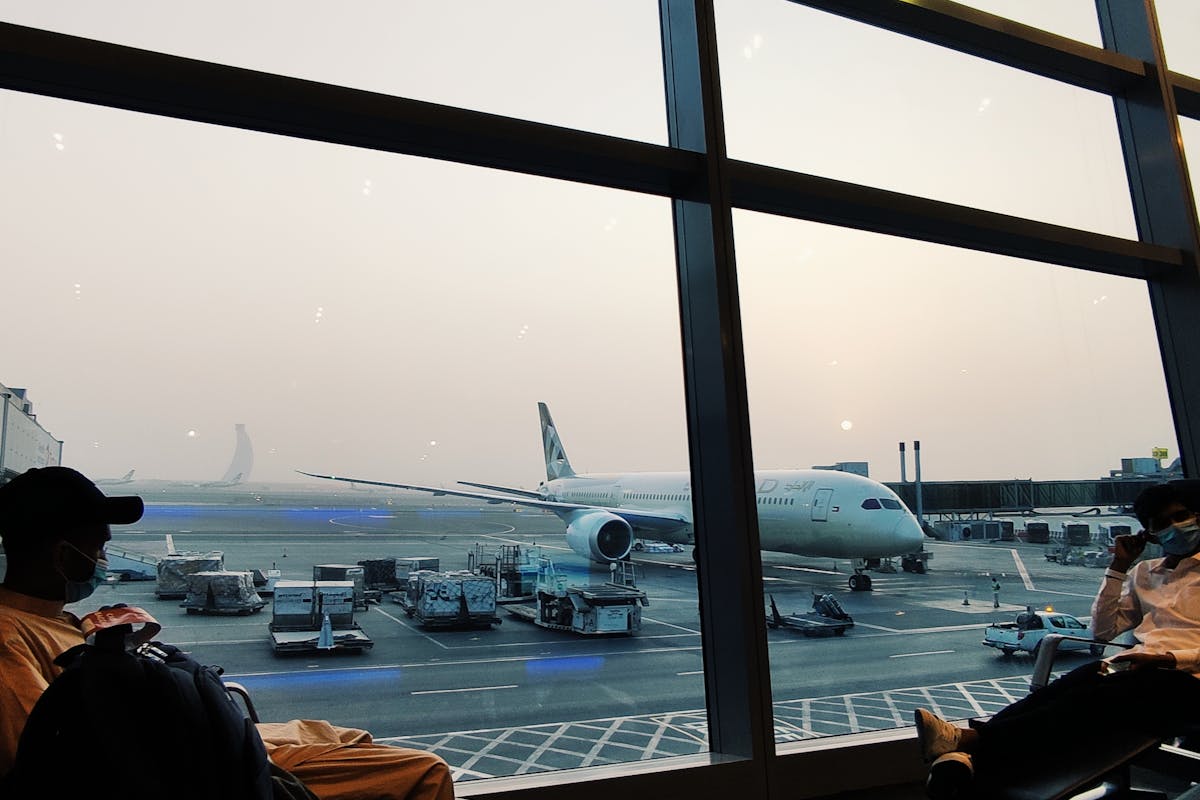
Bucharest has emerged as a significant hub for international business in Eastern Europe. The city hosts regional headquarters for technology companies, financial institutions, and manufacturing firms that require frequent travel across the continent. Henri Coandă International Airport, located in Otopeni, handles millions of passengers annually, with business travelers representing a substantial portion of this traffic.
The growth in corporate travel has driven demand for supporting services that match international standards. From executive lounges to premium ground transportation and airport parking Otopeni, the ecosystem around the airport has expanded considerably. Companies serving this market have learned that reliability and digital accessibility are no longer optional features but fundamental requirements.
Digital solutions for ground transportation
One of the most significant pain points for business travelers has traditionally been ground transportation. Arriving at an unfamiliar airport, locating transportation, and navigating to meetings creates stress that affects productivity and wellbeing. Technology has addressed these challenges through platforms that allow travelers to arrange every detail before departure.
Services offering airport parking Otopeni exemplify this evolution. Business travelers driving to the airport can now reserve spaces online, receive confirmation immediately, and access shuttle transfers that operate on predictable schedules. The elimination of uncertainty transforms the departure experience from a source of anxiety into a routine procedure. For professionals catching early morning flights to important meetings, this reliability proves invaluable.
The integration of travel management systems
Large corporations have increasingly adopted comprehensive travel management platforms that consolidate bookings, expenses, and itineraries into unified systems. These platforms communicate with airlines, hotels, and ground services through application programming interfaces that enable real-time updates and modifications.
For travel managers overseeing dozens or hundreds of employees, these systems provide visibility and control that manual processes could never achieve. They can enforce travel policies, track spending patterns, and ensure that employees have access to approved services. The data generated by these platforms also enables companies to negotiate better rates and identify opportunities for cost reduction.
Sustainability enters the conversation
Environmental considerations have begun influencing corporate travel decisions in meaningful ways. Companies face pressure from stakeholders to reduce carbon footprints, and travel represents a significant source of emissions for many organizations. This pressure has created demand for services that offer more sustainable options.
Some parking facilities near airports have begun installing electric vehicle charging stations, recognizing that the corporate fleet is gradually transitioning to electric power. Others have implemented shuttle services using lower-emission vehicles. These investments respond to a market that increasingly values environmental responsibility alongside convenience and reliability.
The human element remains essential
Despite the proliferation of digital tools, successful business travel still depends on human judgment and service. Technology handles routine transactions efficiently, but complex situations often require human intervention. A delayed flight, a last-minute meeting change, or an unexpected problem demands flexible responses that automated systems cannot always provide.
The most effective travel service providers combine digital efficiency with accessible human support. They offer mobile applications and online platforms for standard bookings while maintaining customer service teams capable of resolving complications. This hybrid approach recognizes that technology serves travelers best when it enhances rather than replaces human capability.
The trajectory of business travel technology points toward further integration and automation. Artificial intelligence promises to optimize travel planning by analyzing patterns and predicting needs. Biometric systems may eventually eliminate physical documents entirely. The infrastructure supporting business travelers will continue evolving in response to technological possibility and market demand.
For professionals traveling through Bucharest’s airport, these developments promise continued improvement in convenience and reliability. The services available today would have seemed remarkable just a decade ago, and the pace of change suggests that current standards will soon appear similarly outdated. In this environment, adaptability remains the essential characteristic for both travelers and the businesses that serve them.